The Best Mashed Potatoes (Gluten Free With Dairy Free Option)

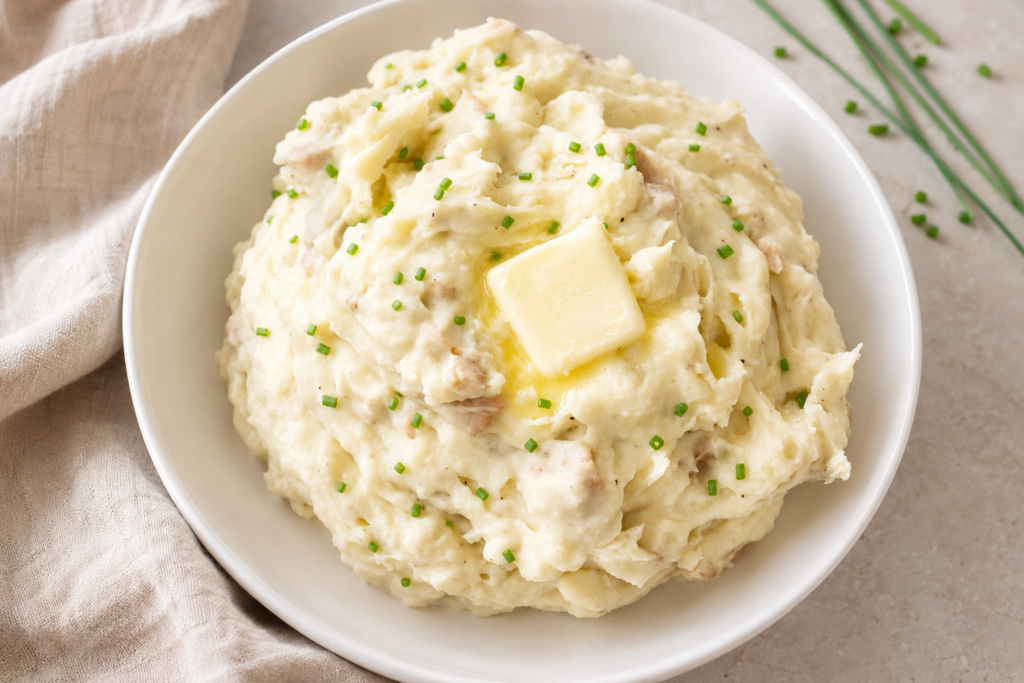
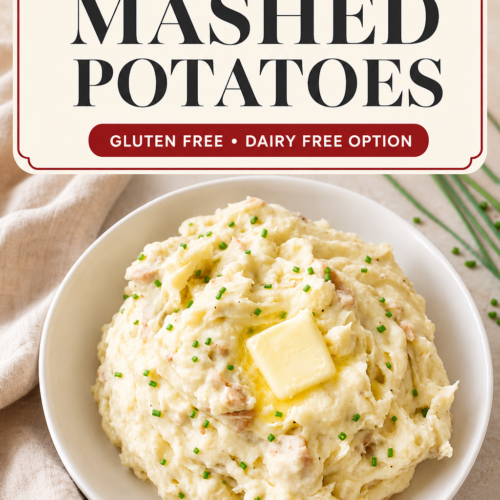
These homemade mashed potatoes are smooth, creamy, and packed with comforting flavor. Made with baby gold potatoes, butter, cream cheese, and your choice of milk, they are naturally gluten free and can easily be made dairy free or completely vegan. Best of all, they are simple enough for weeknight dinners but delicious enough for holidays and special occasions!
The Ultimate Comfort-Food Side Dish
When I think of comfort food, mashed potatoes immediately come to mind. They’re smooth, creamy, oh-so-delicious, and the perfect side dish for just about any meal!
I have always loved ordering mashed potatoes at restaurants, but for the longest time, I could never get my homemade mashed potatoes to taste quite the same. They always turned out too gummy, so I eventually gave up and started picking up Bob Evans mashed potatoes from the grocery store to pop in the microwave.
But I don’t accept defeat easily! I was determined to figure out how to make perfect mashed potatoes at home, no matter how many times I had to try.
And I finally did it!
These mashed potatoes are everything I wanted them to be: creamy, flavorful, easy to prepare, and delicious with almost any meal. They taste completely homemade without requiring complicated ingredients or techniques.
Why You’ll Love This Mashed Potatoes Recipe
- Naturally gluten free
- Easy to make dairy free or vegan
- Rich, creamy, and flavorful
- Made with simple ingredients
- No peeling required
- Ready in about 30 minutes
- Easy to customize with your favorite add-ins
- Perfect for everyday dinners and holiday meals
Are Mashed Potatoes Gluten Free?
Yes! Potatoes are naturally gluten free, and the other basic ingredients in this recipe do not typically contain gluten.
However, if you have celiac disease or are highly sensitive to gluten, always check the labels on your butter, cream cheese, plant-based alternatives, and milk for possible gluten ingredients or cross-contamination warnings.
You should also use clean cookware, utensils, and preparation surfaces to prevent gluten cross-contact.
The Best Potatoes for Mashed Potatoes
I love using baby yellow or baby gold potatoes for this recipe. Gold potatoes have a naturally buttery flavor and a creamy texture, making them perfect for mashed potatoes.
Red potatoes also work well, especially if you enjoy rustic mashed potatoes with the skins left on.
Because baby gold and red potatoes have thin skins, you do not have to peel them. Simply rinse them well and cut them into evenly sized chunks. The skins add a little texture and color to the finished potatoes.
If you prefer completely smooth mashed potatoes, you can peel the potatoes before cutting and boiling them.
Ingredients
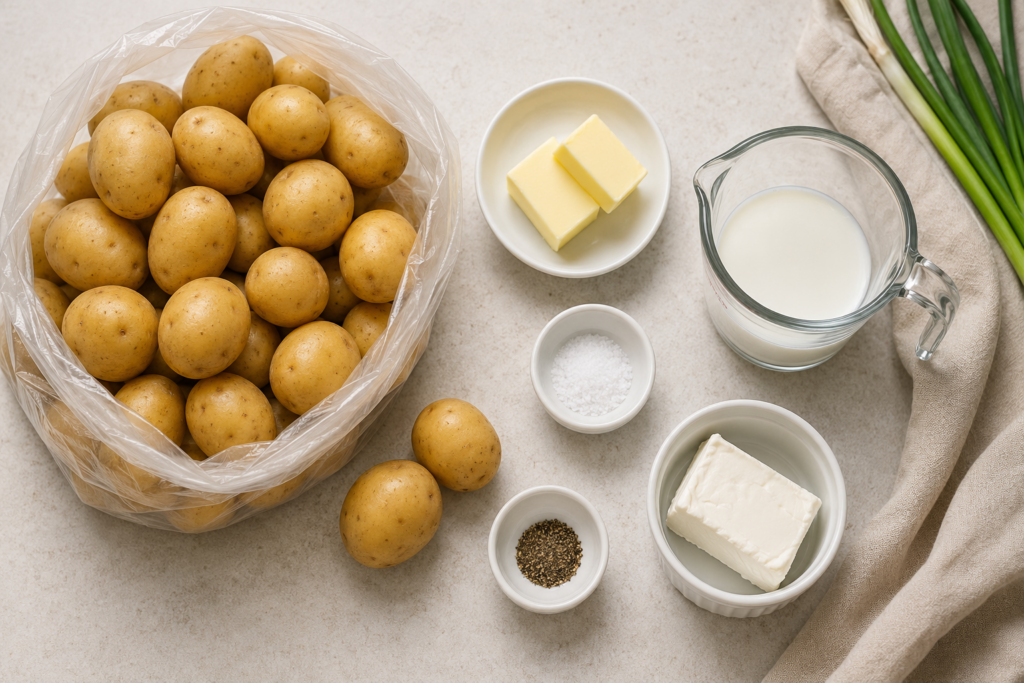
- 1 (24-ounce) bag baby yellow or baby gold potatoes
- 2 tablespoons butter
- ½ teaspoon salt
- ¼ teaspoon black pepper
- 4 ounces one-third-less-fat cream cheese
- Up to ½ cup milk of your choice
Ingredient Notes and Substitutions
Baby Gold Potatoes
Baby gold potatoes create creamy mashed potatoes with a slightly buttery flavor. Red potatoes can be substituted if needed.
Cut the potatoes into approximately 1-inch chunks so they cook evenly. If some pieces are much larger than others, the smaller ones may become waterlogged before the larger pieces are tender.
Butter
Butter adds richness and flavor. You can use salted or unsalted butter, although you may need to adjust the amount of added salt if using salted butter.
For dairy-free or vegan mashed potatoes, use your favorite plant-based butter.
Cream Cheese
Cream cheese is the secret to making these mashed potatoes extra creamy and flavorful. I use one-third-less-fat cream cheese, but regular cream cheese will also work.
For the dairy-free and vegan version, substitute an equal amount of plain vegan cream cheese. Choose an unflavored variety that is suitable for savory recipes.
Milk
You can use almost any milk you have on hand. Whole milk will create a richer result, while low-fat milk will keep the recipe lighter.
I usually use unsweetened almond milk. If using plant-based milk, make sure it is plain and unsweetened. Vanilla-flavored milk will make the potatoes taste sweet.
Other dairy-free options include plain oat, soy, cashew, or coconut milk. Keep in mind that coconut milk may add a slight coconut flavor.
Salt and Pepper
Salt brings out the natural flavor of the potatoes, while black pepper adds a subtle savory flavor. Taste the potatoes before serving and add more seasoning if needed.
How to Make the Best Mashed Potatoes
1. Prepare the Potatoes
Rinse the potatoes thoroughly under cold water. Cut them into approximately 1-inch chunks.
I keep the skins on because baby gold potatoes have thin, tender skins. You can peel the potatoes first if you prefer completely smooth mashed potatoes.
2. Boil the Potatoes
Place the potato chunks in a large pot and add enough cold water to cover them by approximately 1 inch.
Bring the water to a boil. Continue cooking the potatoes until they are tender and easily pierced with a fork. Depending on the size of your potato chunks, this will take approximately 15 to 25 minutes.
3. Drain Thoroughly
Pour the potatoes into a colander and drain them thoroughly. Let them sit in the colander for a minute or two so excess moisture can evaporate.
Removing as much water as possible helps prevent watery mashed potatoes.
4. Add the Creamy Ingredients
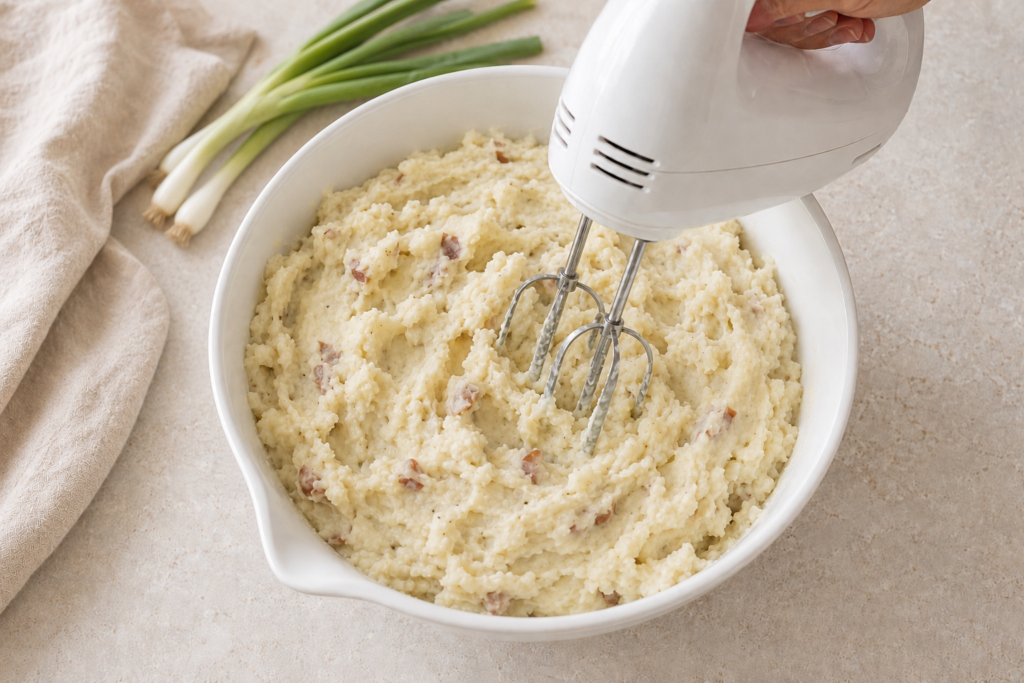
Transfer the drained potatoes to a large mixing bowl. Add the butter, salt, pepper, and cream cheese.
Using an electric hand mixer on low speed, blend just until the potatoes are mostly smooth and the ingredients are combined.
5. Add the Milk Gradually
Slowly add the milk approximately 2 tablespoons at a time, mixing briefly after each addition.
Continue until the potatoes reach your desired consistency. Depending on the type of potatoes and milk you use, you may not need the entire ½ cup.
6. Add Optional Flavors
Add any optional seasonings or mix-ins and blend briefly until incorporated. Do not continue mixing longer than necessary.
Taste and adjust the salt and pepper before serving.
7. Serve
Serve the mashed potatoes immediately while they are warm and creamy.
How to Prevent Gummy Mashed Potatoes
Overmixing is one of the most common reasons mashed potatoes become gummy or gluey. Potatoes contain starch, and aggressive or prolonged mixing releases too much of it.
For light and creamy mashed potatoes:
- Cut the potatoes into evenly sized pieces.
- Cook them only until fork-tender.
- Drain them thoroughly.
- Mix on low speed.
- Stop mixing as soon as the potatoes are smooth.
- Add the milk gradually.
- Do not keep beating the potatoes after they reach the desired consistency.
An electric mixer makes this recipe quick and easy, but it is important not to overdo it. A few small lumps are better than gummy potatoes!
How to Make Dairy-Free Mashed Potatoes
Making dairy-free mashed potatoes is incredibly easy. Substitute:
- Plant-based butter for regular butter
- Plain dairy-free cream cheese for traditional cream cheese
- Unsweetened plant-based milk for dairy milk
Unsweetened almond milk works especially well because it has a mild flavor and creamy consistency.
Check the labels on each product if you also need the recipe to be gluten free.
How to Make Vegan Mashed Potatoes
The dairy-free version is also vegan as long as each ingredient is completely plant based.
Use vegan butter, plain vegan cream cheese, and unsweetened non-dairy milk. For an optional cheesy flavor, add ¼ cup of nutritional yeast.
Because brands vary in flavor and saltiness, taste the potatoes before serving and adjust the seasonings as needed.
Optional Mashed Potato Add-Ins
These mashed potatoes are delicious as written, but you can customize them with your favorite flavors.
Chive Mashed Potatoes
Add 2 teaspoons of freshly chopped chives or scallions for a fresh onion flavor and a pop of color.
Roasted Garlic Mashed Potatoes
Blend in roasted garlic for rich, savory garlic mashed potatoes. Begin with one or two roasted cloves and add more to taste.
Vegan Cheesy Mashed Potatoes
Add approximately ¼ cup of nutritional yeast to the vegan version for a savory, cheesy flavor without dairy.
Loaded Mashed Potatoes
Fold in shredded cheddar cheese and crispy chopped bacon. Sprinkle additional cheese, bacon, and sliced scallions over the top before serving.
For a dairy-free version, use dairy-free cheddar. For a vegan version, use vegan cheddar and plant-based bacon.
What to Serve With Mashed Potatoes
Creamy mashed potatoes complement almost any hearty entrée. Try serving them with:
- Roasted chicken
- Grilled steak
- Pork chops
- Meatloaf
- Pot roast and gravy
- Turkey
- Grilled or baked salmon
- Gluten-free fried chicken
- Roasted vegetables
- Vegan mushroom gravy
- Lentil loaf
They are also perfect for Thanksgiving, Christmas, Easter, Sunday dinner, or any meal that could use a cozy side dish.
Can I Make Mashed Potatoes Ahead of Time?
Yes. Prepare the potatoes as directed, allow them to cool, and store them in an airtight container in the refrigerator.
When you are ready to serve them, reheat the potatoes slowly and stir in a small splash of milk. You can also add a little butter to restore their creamy texture.
For the best texture, avoid repeatedly reheating the potatoes.
How to Store Leftovers
Allow leftover mashed potatoes to cool before transferring them to an airtight container. Store them in the refrigerator for up to three days.
Reheat individual portions in the microwave, stirring occasionally. For larger portions, reheat them in a covered saucepan over low heat or in a covered baking dish in the oven.
Add a small splash of milk while reheating if the potatoes seem dry.
Frequently Asked Questions
Do I need to peel baby gold potatoes?
No. Baby gold potatoes have thin skins that become tender when cooked. Leaving the skins on saves time and gives the mashed potatoes a rustic appearance. You can peel them if you prefer a completely smooth texture.
Why did my mashed potatoes turn out gummy?
Mashed potatoes usually become gummy when they are overmixed. Use the electric mixer on low speed and stop as soon as the potatoes are smooth and combined.
How do I know when the potatoes are finished cooking?
The potatoes are ready when a fork slides easily into the center of the pieces without resistance. If the potatoes are still firm, continue boiling and check them again after a few minutes.
Do I have to use all the milk?
No. Add the milk approximately 2 tablespoons at a time and stop when the potatoes reach your preferred consistency. You may not need the full ½ cup.
Can I make this recipe without an electric mixer?
Yes. You can use a traditional potato masher. Mash the cooked potatoes with the butter and cream cheese, then gradually stir in the milk.
Can I use almond milk in mashed potatoes?
Yes. Plain, unsweetened almond milk works well in mashed potatoes. Avoid sweetened or vanilla-flavored almond milk.
Notes
- Use plain, unsweetened plant-based milk for dairy-free or vegan mashed potatoes.
- To make the entire recipe vegan, use plant-based butter, vegan cream cheese, and non-dairy milk.
- Do not overmix the potatoes, or they may become gummy.
- Add the milk gradually because the amount needed can vary.
- Store leftovers in an airtight container in the refrigerator for up to three days.
The Best Mashed Potatoes (gluten free, vegan option)
Ingredients
- 24 ounce bag baby yellow (gold) potatoes red potatoes work well too
- 2 tablespoons butter or vegan butter
- 1/2 teaspoon salt
- 1/4 teaspoon pepper
- 4 ounces 1/3 less fat cream cheese or vegan cream cheese
- 1/2 cup milk of your choice I use unsweetened almond milk
Instructions
- Rinse potatoes with water and slice into 1 inch chunks (I keep the skins on, but you can peel them if you want to)
- Place potato chunks into a large pot and fill with water about 1 inch above the potatoes
- Bring potatoes to a boil and continue cooking until they are tender and easily pierced with a fork, about 15-25 minutes depending on the size of your chunks
- Drain potatoes and place in a large mixing bowl
- Add butter, salt, pepper, and cream cheese, and beat with an electric mixer until smooth
- Slowly pour in milk, 2 tablespoons at a time, until you get a creamy consistency (you may not need the whole 1/2 cup)
- Add optional add-ins (see notes below) if using them and blend until incorporated
- Serve immediately
- Store leftovers in an airtight container in the fridge for up to 3 days
Notes
- Use plain, unsweetened plant-based milk for dairy-free or vegan mashed potatoes.
- To make the entire recipe vegan, use plant-based butter, vegan cream cheese, and non-dairy milk.
- Do not overmix the potatoes, or they may become gummy.
- Add the milk gradually because the amount needed can vary.
- Store leftovers in an airtight container in the refrigerator for up to three days.
Join My Gluten-Free Kitchen Crew
Get my favorite gluten-free recipes, tips, and grocery store finds delivered right to your inbox! Just pop your email below, and let’s start cooking up some magic together!
9 Comments